


Author:Henry James,Christopher Ricks

What Maisie Knew is Henry James's damning portrait of adultery, jealousy and possession on the decadent fringe of English upper-class society. This Penguin Classics edition is edited with an introduction and notes by Christopher Ricks.
After her parents' bitter divorce, young Maisie Farange finds herself turned into a 'little feathered shuttlecock' to be swatted back and forth by her selfish mother, Ida, and her vain father, Beale, who value her only as a means of provoking one another. When both take lovers and remarry, Maisie - solitary, observant and wise beyond her years - is drawn into an entangled adult world of intrigue and sexual betrayal, until she is at last able to cooperate in choosing her own future. As time conquers innocence, Henry James masterfully portrays Maisie's consciousness developing from simple childlike 'wonder' to a rich, morally-scrupulous adult mind.
This edition of What Maisie Knew includes a chronology, suggested further reading, three contemporary reviews, Henry James's own commentaries on the work, and an introduction that examines how children figured in his predecessors' novels, and how war is waged between the sexes in What Maisie Knew.
Henry James (1843-1916) son of a prominent theologian, and brother to the philosopher William James, was one of the most celebrated novelists of the fin-de-siècle. In addition to many short stories, plays, books of criticism, biography and autobiography, and much travel writing, he wrote some twenty novels.
His novella 'Daisy Miller' (1878) established him as a literary figure on both sides of the Atlantic, and his other novels in Penguin Classics include Washington Square (1880), The Portrait of a Lady (1881), The Awkward Age (1899), The Wings of the Dove (1902), The Ambassadors (1903) and The Golden Bowl (1904)
If you enjoyed What Maisie Knew, you might like Virginia Woolf's Mrs Dalloway, also available in Penguin Classics.
'Embodies everything that James excelled at in fiction'
Paul Theroux
From the prolific pen of Susan Lewis, Out of the Shadows has all the hallmarks of Cinderella about it...Lewis has a certain knack of frustrating the reader almost to screaming point. For me, this is what succeeded in giving it the dark edge needed for a story that transpired to be anything but a fairytale...An all round four stars
—— New BooksOne of the best around
—— Independent on SundayExpertly written to brew an atmosphere of foreboding ... an irresistible blend of intrigue and passion, and the consequences of secrets and betrayal
—— WomanSpellbinding!
—— Daily MailMystery and romance par excellence
—— The SunYou don't have to have been there; if you're willing, he'll take you there
—— Michael Carlson , SpectatorThe pioneering work in a genre you'd have to call psychedelic Noir ...Who writes sentences as beautiful as Pynchon?
—— Sam Leith , Daily MailPynchon leaves the rest of the American literary establishment at the starting gate...the range over which he moves is extraordinary, not simply in terms of ideas explored but also in the range of emotions he takes you through
—— Time OutThe most important and mysterious writer of his generation
—— TimeA warm and joyous read. There is softness about this book, but also a tinge of melancholy
—— Billy O’Callaghan , Irish Examiner'A scandalously good read'
—— The ScotsmanBrilliant
—— CloserAn enjoyably black and bracingly unsentimental novel
—— The TimesBrilliant black comedy
—— Woman&Home
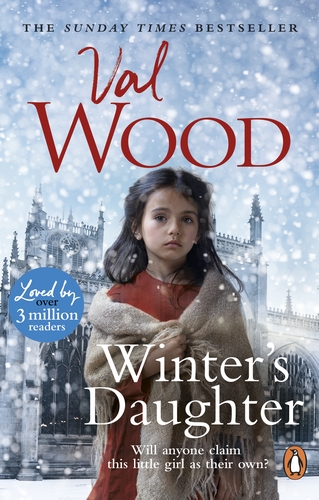
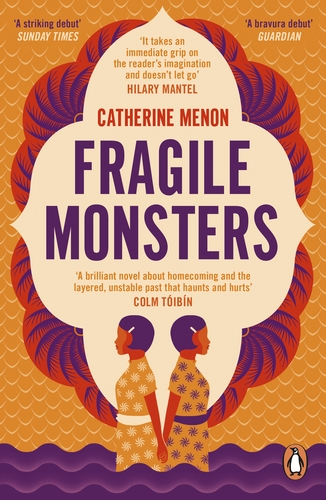

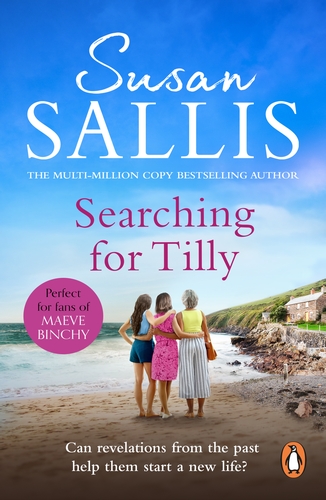
 zpostcode
 Recruit
 weather
 mreligion
 Yellowpages
 sport
sport constellation
 shopping
 name
name game
game directory
 literature
 Word
Word tour
tour furnish
 Lottery
 tftnews
 lyrics
 News
News digital
 car
car dir
dir Edu
Edu Finance