


Author:Shirley Jackson

A terrifying short story from Shirley Jackson, the master of the macabre tale.
Shirley Jackson's chilling tales of creeping unease and random cruelty have the power to unsettle and terrify unlike any other. When her story The Lottery was first published in The New Yorker in 1948, readers were so horrified they sent her hate mail. It became known as one of the greatest short stories ever written. Have you read her yet?
'Shirley Jackson's stories are among the most terrifying ever written' Donna Tartt
'An amazing writer ... if you haven't read any of her short stories ... you have missed out on something marvellous' Neil Gaiman
'Her stories are stunning, timeless - as relevant and terrifying now as when they were first published ... 'The Lottery' is so much an icon in the history of the American short story that one could argue it has moved from the canon of American twentieth-century fiction directly into the American psyche, our collective unconscious' A. M. Homes
Shirley Jackson was born in California in 1916. When her short story The Lottery was first published in The New Yorker in 1948, readers were so horrified they sent her hate mail; it has since become one of the greatest American stories of all time. Her first novel, The Road Through the Wall, was published in the same year and was followed by five more: Hangsaman, The Bird's Nest, The Sundial, The Haunting of Hill House and We Have Always Lived in the Castle, widely seen as her masterpiece. Shirley Jackson died in her sleep at the age of 48.
In a plot full of twists, turns, double crossing and espionage, this whip-smart thriller, loosely based on real events, has great characters, authentic detail, poignancy and black comedy
—— Sunday MirrorAn engaging and speedy read . . . the story's bigger questions are mixed with well-considered human emotions and flashes of humour
—— Emerald StreetFascinating . . . weaving together real-life events and fiction, Warpaint is an intriguing examination of the demands made on personal and artistic lives by the extreme circumstances that exist in wartime conditions
—— MetroSet in 1942 and early 1943, when the fate of Britain was still in the balance, Warpaint is both a gripping thriller and a fascinating picture of four female artists attempting to work under extraordinary and often dangerous circumstances
—— Irish Times Weekend ReviewHe has been described as the greatest Russian writer of the 20th century, but some of his most controversial works, written between 1927 and 1932, were not published in the Soviet Union until the 1980s. Platonov's The Foundation Pit is a satirical response to Stalin's programme of crash industrialisation and collectivisation
—— GuardianAcclaimed by Joseph Brodsky as one of the great Russian writers of the twentieth century, Andrey Platonov comes with a formidable reputation, matched only by his relative obscurity
—— ObserverIn Platonov's prose, it is impossible to find a single dull or inelegant sentence... For Platonov's work testifies to the only political responsibility owed by any writer to any reader: to describe the world as faithfully, and as compellingly, as possible. Platonov deserves to be published; he rewards being read
—— The TimesBrilliant...Obviously a masterpiece
—— Paul TherouxAmong the greatest Russian prose writers of this century
—— New York TimesStartlingly prophetic novel ... As a foretaste of the horrors of the gulag, that's pretty hard to beat
—— Mail on SundayThese books are indescribable. The power of devastation they inflict upon their subject matter exceeds by far any demands of social criticism and should be measured in units that have very little to do with literature as such
—— Joseph BrodskyThis is a ground-breaking piece of work. One of the crucial missing pieces in the great, slow, ongoing process of reassessment of literary reputations from that Soviet period. An immensely difficult task of translation...brilliant
—— Dr Susan Richard, author of Lost and Found in RussiaAndrey Platonov is one of Russia's greatest modernist scribes. Like his fellow science-fiction writer Yevgeny Zamyatin - author of the astonishing futurist novel We, published in the 20s - he was also among that tortured country's most prescient literary artists...The Foundation Pit, written in 1930 and now published for the first time in English, is his most striking attempt to convey the extreme estrangement suffered by ordinary people as collectivisation in agriculture proceeded across the USSR...one of the most prophetic nihilistic tales of this ruined century.
—— The West AustralianCompleted in 1930 but unpublished during his lifetime, Platonov's masterpiece, a scathing satire of the Soviet attempt to build a workers' utopia, gauges the vast human tragedy of Stalinism, portraying a society organized and regimented around a monstrous lie, and thus bereft of meaning, hope, integrity, humanity...His dark parable is a great dirge for Mother Russia as well as a savage analysis of the split consciousness fostered by an oppressive system. Platonov's books are still being unearthed in Russia decades after his death.
—— Publishers WeeklyA 20th-century Russian masterpiece...The Foundation Pit is a savage satire on collectivisation, a nightmarish vision of humanity trapped by the infernal machinery of totalitarianism...Platonov's grimly comic vision of a brave new world is as universal in its implications as any other account of a hellish utopia our century has produced..the dance of madness in The Foundation Pit is articulated as the suppression of anything human - sorrow and joy, hope and despair.
—— Sydney Morning Herald

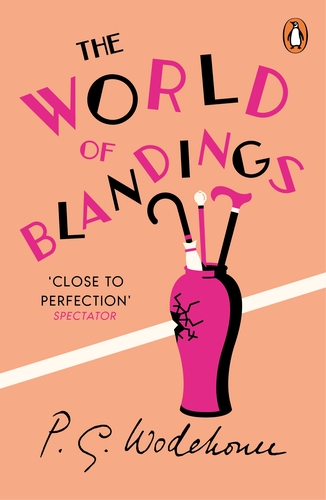
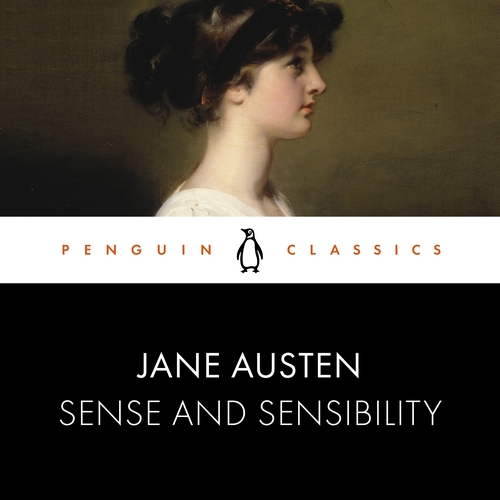
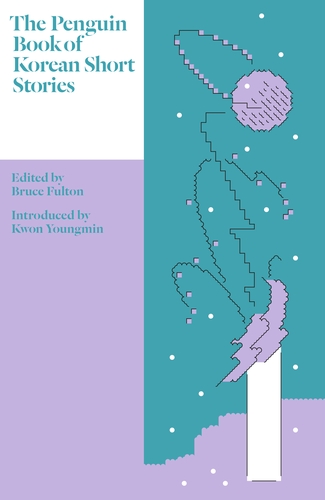
 zpostcode
 Recruit
 weather
 mreligion
 Yellowpages
 sport
sport constellation
 shopping
 name
name game
game directory
 literature
 Word
Word tour
tour furnish
 Lottery
 tftnews
 lyrics
 News
News digital
 car
car dir
dir Edu
Edu Finance