


Author:Jonathan Wordsworth

The Romanticism that emerged after the American and French revolutions of 1776 and 1789 represented a new flowering of the imagination and the spirit, and a celebration of the soul of humanity with its capacity for love. This extraordinary collection sets the acknowledged genius of poems such as Blake's 'Tyger', Coleridge's 'Khubla Khan' and Shelley's 'Ozymandias' alongside verse from less familiar figures and women poets such as Charlotte Smith and Mary Robinson. We also see familiar poets in an unaccustomed light, as Blake, Wordsworth and Shelley demonstrate their comic skills, while Coleridge, Keats and Clare explore the Gothic and surreal.
Isiah Berlin was one of the great letter-writers of the twentieth century: witty, indiscreet, passionate, wise and unbuttoned. He also lived through extraordinary moments of twentieth-century history, and these letters capture those moments
—— Michael Ignatieff, author of Isiah Berlin: A LifeReading this glorious collection of letters is, predictably, a heady experience... rich and irresistable
—— Simon Schama , New RepublicIncredibly readable and entertaining
—— Good Book GuideFull of insights about everyone and everything. He was an alpha-level gossip, the genius kind... a conversation of wit and substance that you never want to end
—— Michael Pye , ScotsmanThe funniest crime novelist to put pen to paper
—— Evening StandardA transcendentally harmonious and compassionate work
—— Times Literary SupplementA surprisingly tender book... Amid the terror a classic story about love sneaks through: love lost, love imagined, love morphed into madness
—— New York Times Book ReviewBeautifully written... It puts a human face on the suffering inflicted by the Taliban... Disturbing and mesmerizing, The Swallows of Kabul will stay with you long after you've finished it
—— San Francisco ChronicleRiveting... Spare, taut, and pristinely clear prose... An uncanny knack for making moral tension palpable... Extraordinarily moving
—— Philadelphia InquirerA novel very much in the tradition of Albert Camus, not only in its humanism and concern with the consequences of individual choices but also in its determination to bear witness to the absurdities of daily life... [A] chilling portrait of fundamentalism run amok and its fallout on ordinary people
—— New York Times

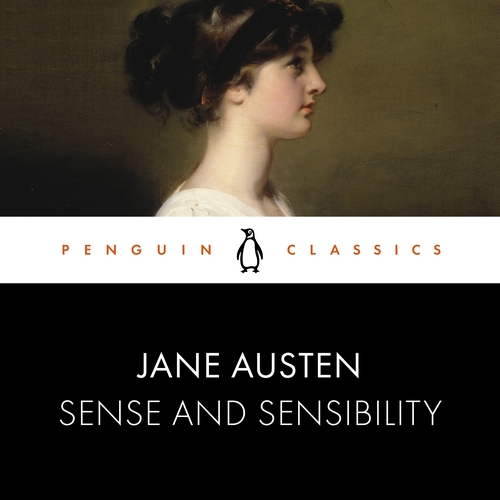

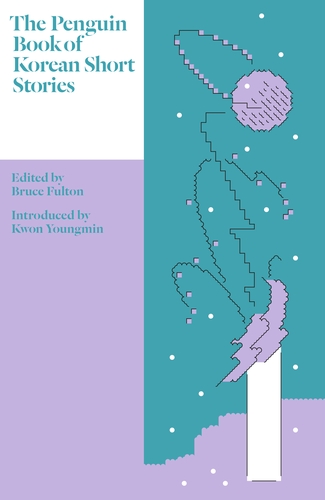
 zpostcode
 Recruit
 weather
 mreligion
 Yellowpages
 sport
sport constellation
 shopping
 name
name game
game directory
 literature
 Word
Word tour
tour furnish
 Lottery
 tftnews
 lyrics
 News
News digital
 car
car dir
dir Edu
Edu Finance