


Author:William Trevor

The Old Boys by William Trevor - a novel of power, revenge, love and the failure of love from one of the world's best writers
A group of septuagenarians revive schoolboy conflicts in the election of the President of the Old Boys Association. Jaraby expects to get the job, but he reckons without the bitterness of Nox, who still remembers the humiliations of his school years. And when Jaraby's son gets into trouble with the law, Nox has the perfect stick with which to beat him.
Their powers may be failing but the old boys possess a fierce understanding of the things in life that matter - power, revenge, hatred, love, and the failure of love.
The Old Boys was William Trevor's acclaimed first novel. It will be enjoyed by fans of The Story of Lucy Gault and Felicia's Journey, as well as readers of Colm Toibin and William Boyd.
'Uncommonly well-written, gruesome , funny and original' Evelyn Waugh
'Immaculately witty and inventive writing' Daily Telegraph
William Trevor was born in Mitchelstown, County Cork, in 1928, and was educated at Trinity College, Dublin. He has lived in England for many years. The author of numerous acclaimed collections of short stories and novels, he has won many awards including the Whitbread Book of the Year, The James Tait Black Memorial Prize and the Sunday Times Award for Literary Excellence. He has been shortlisted three times for the Booker Prize: in 1976 with his novel The Children of Dynmouth, in 1991 with Reading Turgenev and in 2002 with The Story of Lucy Gault. He recently received the prestigious David Cohen Literature Prize in recognition of a lifetime's literary achievement.
Margaret Kennedy caught just the taste of the time, mixing a stolid domestic Englishness with 'Continental' bohemians
—— Irish TimesThe Cain imagery is powerful and the narrator’s psyche fascinating...Vann’s prose never lags. The novel is not just gripping: it tightens around its reader like a boa constrictor...Goat Mountain is a brilliant and wise interrogation of a world in which “We were always killing something, and it seemed we were put here to kill”.
—— The TimesVann is a daring writer, as bold in his plot development as he is unflinching in his prose...Goat Mountain is a compelling and morally challenging novel by one of America’s most powerful writers.
—— Times Literary SupplementVann evokes the scrub, ridges and conifers of northern California with the meticulous eye of a great landscape artist...This story has genuine potency.
—— Sunday TelegraphThis is Vann’s fourth novel, and in that short time he’s mapped out a unique fictional territory, a rugged, literary landscape with debts to Cormac McCarthy and Ernest Hemingway but with an acuteness of eye that’s all the author’s own...Vann’s description of place and action is unsurpassed, a wonderful clarity to his prose, and the voice of his narrator is truly frightening as he tries to come to terms with what’s happened. The tension builds to an extraordinary and explosive climax among the heavily forested mountains, where everything that makes us who we are is called into question. Powerful and deep stuff.
—— Big IssueThe book has the quality of a ballad or a folk tale…Mr Vann’s work is death-haunted…[He] is so adept, in Goat Mountain, at conjuring a world where rationality has no place…This story has the power of a bullet fired from a gun.
—— The Economist[A] powerful tale of the complicated fragility of family ties…Internationally acclaimed and bestselling author David Vann convincingly conjures up the primeval atmosphere of the wilderness and the depth of the hunting instinct. The spirit of the Old Testament is never very far from his prose, and the story of Cain and Abel hovers over the boy’s sense of right and wrong. Tense and unsettling stuff, difficult to put down and disturbingly memorable.
—— Daily MailThis is a coming of age story as old as Goat Mountain itself and Vann’s descriptions of the Northern Californian landscape are beautiful and meticulously drawn... Vann’s prose has real pace and momentum and drama so intense that this reader often gasped out loud at the horror presented... This is a triumph of a novel. Please read it.
—— BookmunchVann’s writing is highly descriptive…a gripping read
—— Irish ExaminerThe author has constructed a wide beautiful splendid vista tainted by a stream of flowing hot red blood with great sentences with a visceral and fluid prose ... David Vann has a prose and voice that the reader may know of, this novel comes to finalise in his dealings with death, loss, and sacrifice, this story marks a great point in his writing’s timeline. One cannot help but feel excited and expectantly wait upon his next novel, on what road he shall traverse and what characters he shall craft with great skill.
—— More2readVann’s writing is thoughtful and profound.
—— BibliojunkieThere's no doubt that this is a deeply disturbing and violent book — there's one particular scene involving a wounded buck that is stomach-churning — but this is a powerful read that deals with important subjects, not least at what point should a child take responsibility for his actions. It ruminates on the sanctity of life, the sins of the father, the rules (or ethics) of hunting, human guilt and remorse, crime and punishment….[It will] appeal to those who like dark suspenseful tales about moral culpability.
—— Reading MattersIt’s an extraordinary achievement and a riveting work of prose
—— The HeraldIlluminated by a clear and insightful knowledge of what it means to be human... Petterson is really a masterful depictor of contemporary life
—— Nordjyske, DenmarkI Refuse is, despite its apparent realism, a nearly magical literary experience... It simply does not get much better than this
—— Ekstra Bladet, DenmarkPetterson confirms his reputation as Scandinavia's leading realist writer...the heart-rending contrast between power and powerlessness, silence and speech is anchored in every word in these pages. And in the reader’s soul
—— Kristeligt Dagblad, DenmarkA masterpiece...at least as good as Out Stealing Horses... Intimate, shocking, demanding, raw
—— Morgenbladet, NorwayNorwegian literature's clearest shining star...a masterful novel about friendship, violence and destruction
—— Information, DenmarkA moving, complex short novel that is richer and more satisfying than most books several times its length
—— Daragh Reddin , Metro HeraldThe suspense isn’t in the plot but the prose, with its extraordinary looping sentences
—— Blake Morrison , Guardian WeeklyA harrowing account of childhood, of friendship, and of family disruption… Precise, scrupulous and emotionally intense… Peterson is a skilled storyteller… An admirable and honest novel.
—— Eibhear Walshe , Irish ExaminerWith an enchanting, poetic language Rachel Joyce writes about the fundamental questions of life and death.
—— 52buecher, GermanyLike Harold Fry, Queenie is delightful and dark. Death, duty and regret shadow nearly every page, but the darkness is not unrelenting; there is humor, and there is light.
—— Minneapolis Star TribuneThis lovely book is full of joy. Much more than the story of a woman’s enduring love for an ordinary, flawed man, it’s an ode to messy, imperfect, glorious, unsung humanity ... Her love song is for us. Thank you, Rachel Joyce.
—— Washington Post[A] deeply affecting novel…Culminating in a shattering revelation, her tale is funny, sad, hopeful: She’s bound for death, but full of life.
—— People MagazineA moving, lyrical read about life, love and saying goodbye. this is a companion story to the similarly entrancing The Unlikely Pilgrimage of Harold Fry, but could be read alone.
—— Cathy Rentzenbrink , Prima
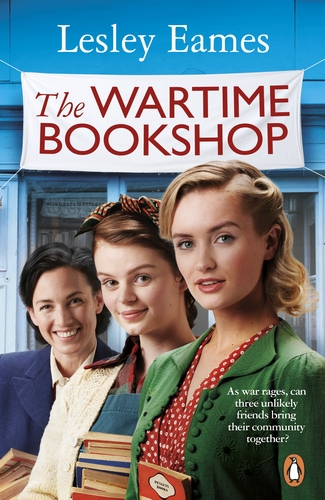
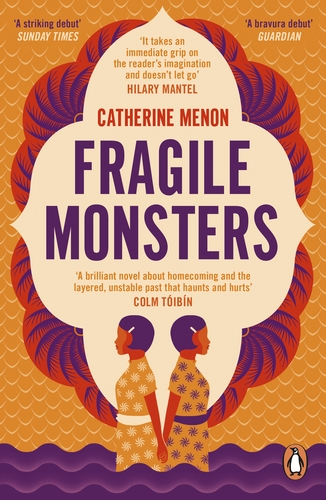
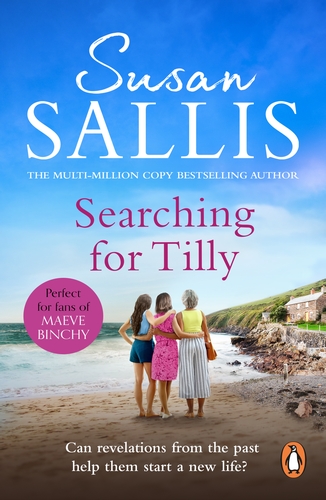
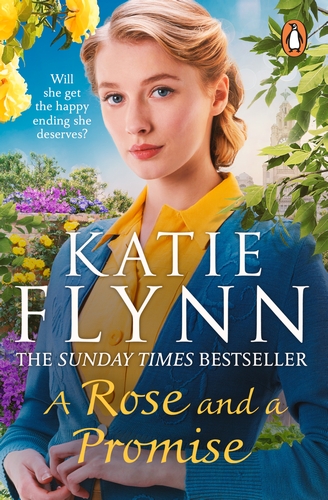
 zpostcode
 Recruit
 weather
 mreligion
 Yellowpages
 sport
sport constellation
 shopping
 name
name game
game directory
 literature
 Word
Word tour
tour furnish
 Lottery
 tftnews
 lyrics
 News
News digital
 car
car dir
dir Edu
Edu Finance