


Author:London Review Of Books,Alan Bennett

Autobiography has been an essential element of the London Review of Books since its founding in 1979. This volume collects many outstanding pieces of memoir that first appeared in the LRB’s pages.
Here, Lorna Sage remembers growing up with her grandfather during the Second World War, Jenny Diski imagines her own burial, and Hilary Mantel tackles a strongman on her hospital bed. Julian Barnes writes about not getting the Booker Prize. Andrew O’Hagan confesses to his past as a schoolboy bully. A. J. P. Taylor hallucinates. Alan Bennett reports on the lady who lives in his drive. Tariq Ali relates his misadventures in Pyongyang. Anne Enright describes her obsession with Henrietta Lacks, the woman whose cells grow in petri dishes around the world. Frank Kermode tells his wartime stories. Terry Castle recounts her complicated friendship with Susan Sontag. There are reports from poker tables and coal mines, and stories of double agents, online romance and stigmata.
With a preface by Alan Bennett, Meeting the Devil displays the range of power and delight possible in the study of self-portrait.
This superb volume ... urges us to consider pain and loss, but also to remember to value experience and thought. The essay form, itself once thought dead and buried, is revived regularly in the London Review of Books and this welcome selection shows it strong in heart, pumping away and breathing well.
—— ScotsmanStanding out…are two fine studies of literary monsters. John Henry Jones’s piece on the poet and critic William Empson…[and] Terry Castle’s memoir of Susan Sontag…there are some terrific stories.
—— John Walsh , IndependentA glimpse inside the lives of bookish people … Emily Witt writes one of the best things ever about online dating
—— Evening StandardThe best sheer quality writing of any magazine I know.
—— GuardianThis astute novel is witness to an undeniable literary talent tragically cut short
—— Sonia Zhuravlyova , LadyHer writing is harder and more vicious… Nemirovsky is fascinated by the impact of war on human behaviour
—— Louise Heighes , MetroLike Suite Française, this is a gripping novel that at the same time is a terrible indictment
—— John Sutherland , The TimesIt’s a sobering glimpse of the lives and loves of ordinary Parisians, and the best and worst of human nature
—— Catherine Small , UK Press SyndicationIt is a triumphant tour de force, a powerful, cinematic, real-time account of a European nation in full, panicked flight from a merciless invader
—— Anne Garvey , Jewish ChronicleA convincing portrait of human nature in the crucible of war
—— Good Book GuideA beautifully written book
—— Sue Glynn , NudgeThis sweeping novel cements Nemirovsky’s place as a master storyteller
—— Craig Brown , Daily MailThought-provoking, and at times brutal, this thriller will surely be the basis of many discussions about the nature of society and the times we live in
—— Irish ExaminerPeyton Marshall is a writer of intelligence and keen observation with a great future. GOODHOUSE is a startling debut. In James, she has created a compelling and convincing hero for the all-too-probable dark times ahead
—— A L KENNEDYVery arty, and strangely uplifting
—— Evening StandardHilarious, loving and deadly serious
—— Berlingske TidendeSome pieces of literature, no matter how great an effort you make as a critic, cannot be opened or captured in a way that does justice to the work. That’s how I feel about Helle Helle’s new and unusually precious novel... Most of the sentences are small works of art, containing a whole story in themselves
—— WeekendavisenThis Should be Written in the Present Tense is an excellent novel, yet another sleek and nonchalant masterpiece from Helle Helle
—— InformationHelle Helle has written a captivating novel about Dorte Hansen, who sleepwalks through life, letting chance rule
—— PolitikenA beautiful tale examining the processes of life
—— Good Book GuideEschewing a conventional narrative, this absorbing novel deceptively contains a crackling energy within its understated, artful prose
—— Francesca Angelini , Sunday Times

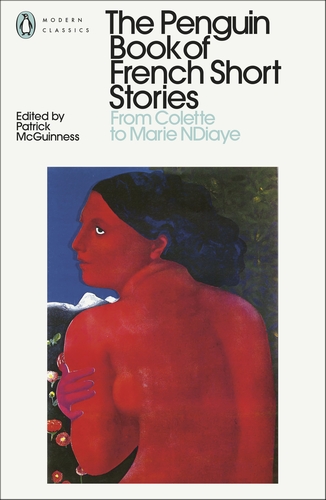
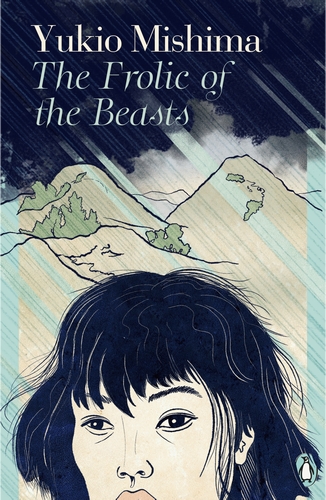
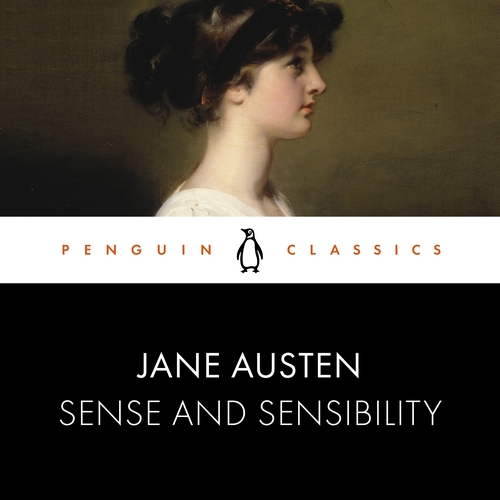
 zpostcode
 Recruit
 weather
 mreligion
 Yellowpages
 sport
sport constellation
 shopping
 name
name game
game directory
 literature
 Word
Word tour
tour furnish
 Lottery
 tftnews
 lyrics
 News
News digital
 car
car dir
dir Edu
Edu Finance